by ACIPC Office | Feb 25, 2025 | Bug Library
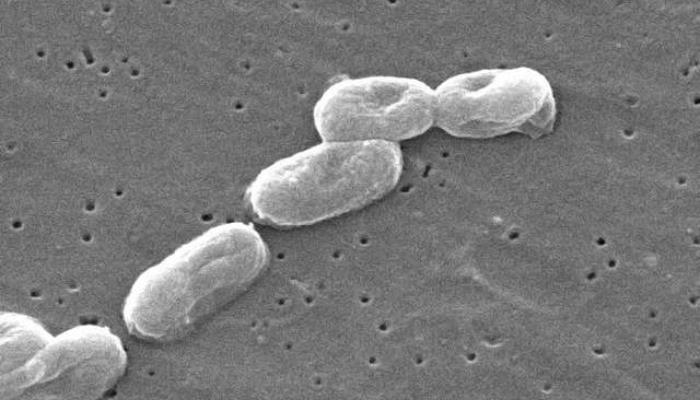
Burkholderia cepacia (B. cepacia) Burkholderia cepacia (B. cepacia) is a gram-negative, motile, non-spore-forming bacterium. It is a species of bacteria within the Burkholderia cepacia complex (Bcc), a group of closely related bacteria that are often associated with...
by ACIPC Office | Jan 25, 2025 | Bug Library
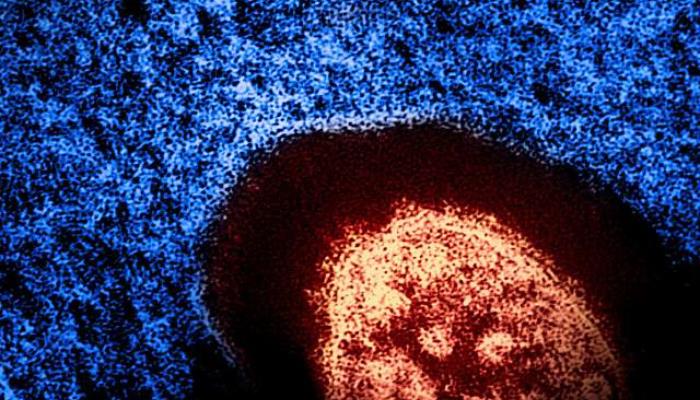
What is it? Measles is a highly infectious acute viral disease, that can cause serious medical complications. In 2014 the World Health Organization (WHO) declared Australia to have eliminated endemic measles through an effective vaccination program, with most cases...

by ACIPC Office | Dec 25, 2024 | Bug Library
Linezolid-resistant enterococci (LRE) and linezolid-resistant vancomycin-resistant enterococci (LR-VRE) Linezolid-resistant enterococci (LRE) and linezolid-resistant vancomycin-resistant enterococci (LR-VRE) are emerging as significant concerns in healthcare...
by ACIPC Office | Nov 27, 2024 | Bug Library
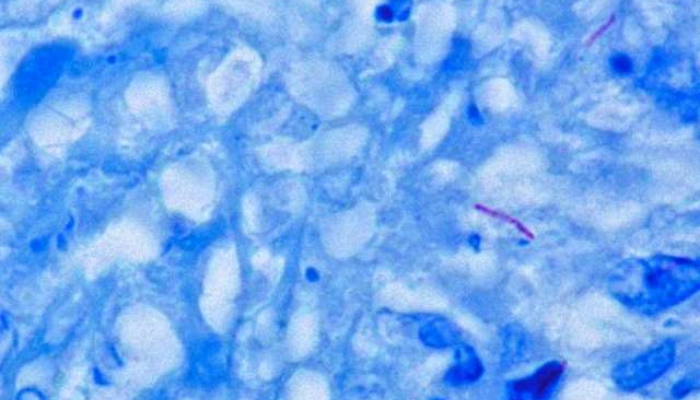
Mycobacterium tuberculosis What is it? Mycobacterium tuberculosis (M. tuberculosis) is the bacterium that causes Tuberculosis (TB) an infectious disease that damages the lungs and other parts of the body. There are 2 types of TB, latent TB infection when someone is...
by ACIPC Office | Oct 25, 2024 | Bug Library
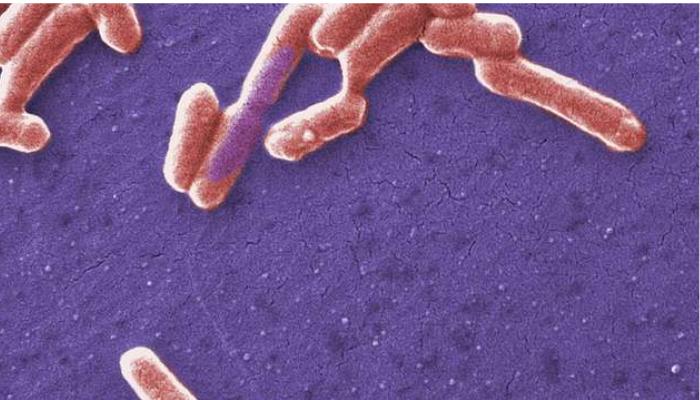
Escherichia coli (E. coli) Escherichia coli (E. coli) is a gram-negative, rod-shaped bacterium commonly found in the intestines of humans and animals. It was first identified by Theodor Escherich in 1885. While most strains are harmless or even beneficial, some can...

by ACIPC Office | Sep 27, 2024 | Bug Library
Pertussis What is it? Pertussis is a highly contagious bacterial infection caused by Bordetella pertussis, also known as whooping cough or the ‘hundred-day cough.’ Symptoms of pertussis include fever, tiredness, runny nose and a cough that gradually develops...
 Course Access
