by Mark Galande | Oct 5, 2026 | Bug Library
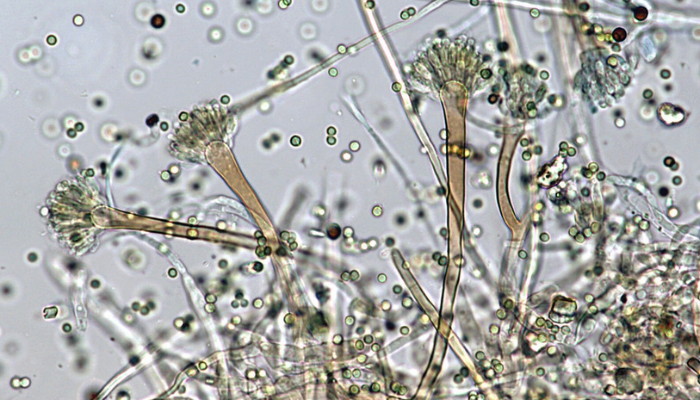
What is Aspergillus? Aspergillus is a group of filamentous fungi found in soil, dust, decaying plant matter, air, building materials and damp environments. (1,2) Most people inhale Aspergillus spores without developing disease. (2) Disease occurs mainly in people with...
by David Tanedo | Sep 8, 2026 | Bug Library
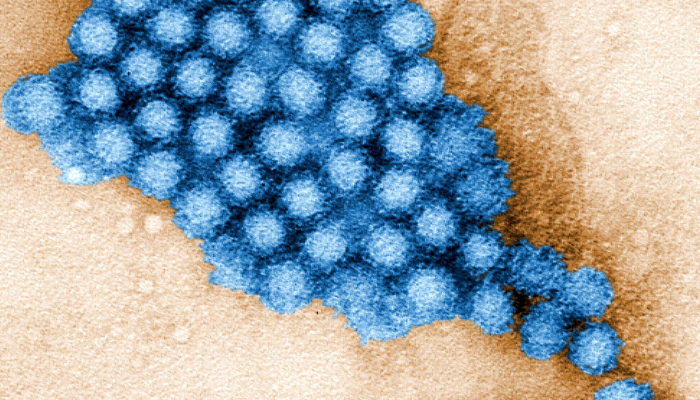
What is Norovirus? Norovirus is a highly contagious virus and one of the leading causes of acute gastroenteritis worldwide. It commonly causes sporadic illness and outbreaks in hospitals, residential aged care homes, disability services, primary and community...
by Dave ACIPC | Aug 25, 2026 | Bug Library
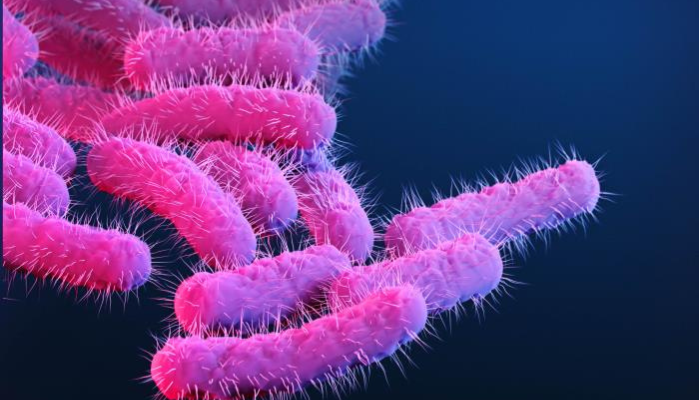
What is it? Shigella species are gram-negative bacteria, belonging to the Enterobacteriaceae family, and are the causative agents of shigellosis, a highly infectious gastrointestinal illness. (1-3) Shigella can be divided into four species: Shigella boydii, Shigella...
by David Tanedo | Jul 1, 2026 | Bug Library
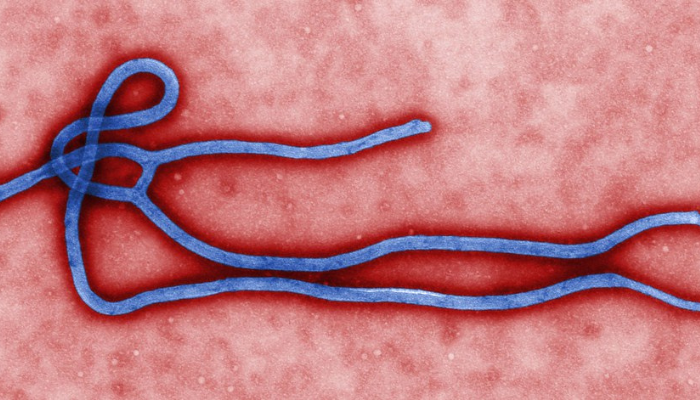
What is Ebola Virus Disease? Ebola Virus Disease (EVD) is a severe and often fatal viral illness caused by viruses of the genus Ebolavirus, affecting humans and non-human primates. First identified in 1976 in what is now the Democratic Republic of the Congo (DRC) and...
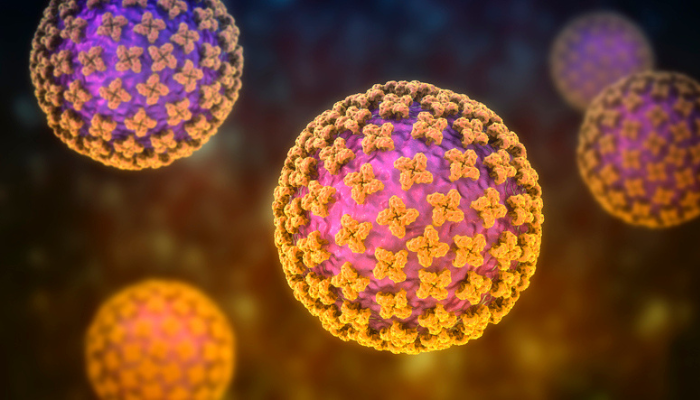
by David Tanedo | Jul 1, 2026 | Bug Library
What is it? Hantaviruses are a group of more than 20 zoonotic viruses primarily carried by rodents. Human infection most commonly occurs through the inhalation of air contaminated with the virus, or, less frequently, through direct contact with an infected rodent or...

by ACIPC Office | May 25, 2026 | Bug Library
Introduction Human papillomavirus (HPV) is one of the most common viral infections globally and a major contributor to preventable disease and cancer. It is primarily transmitted through skin-to-skin contact during sexual activity, and it is estimated that up to...
 Course Access
