by ACIPC Office | Sep 29, 2025 | Bug Library
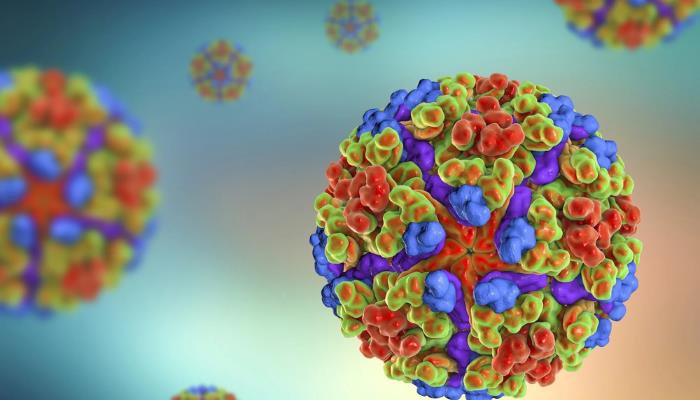
Chikungunya virus What is it? Chikungunya is vector-borne viral disease that is caused by the chikungunya virus1,2. It is prevalent in the Americas, Asia and Africa with large outbreaks and case numbers reported each year2. People become infected with chikungunya...
by ACIPC Office | Aug 6, 2025 | Bug Library
Hepatitis Hepatitis refers to inflammation of the liver, most commonly caused by hepatotropic viruses, but it can also result from toxins, drugs, alcohol, autoimmune responses, and metabolic disorders. Viral hepatitis comprises five primary types—Hepatitis A, B, C,...
by ACIPC Office | Jul 1, 2025 | Bug Library
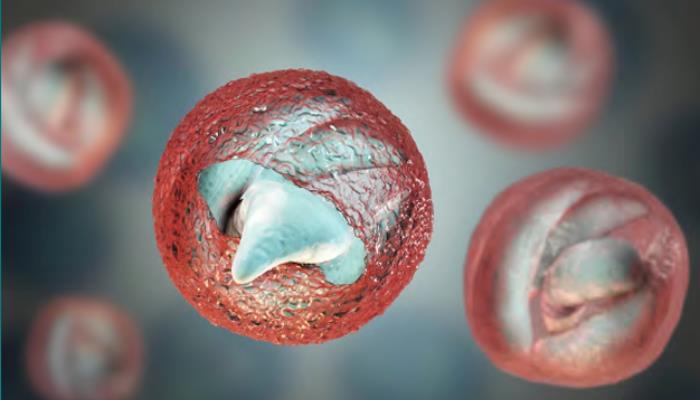
Cryptosporidiosis Cryptosporidiosis is a gastrointestinal illness caused by Cryptosporidium parasites, primarily C. hominis and C. parvum. Transmission is mainly faecal-oral, with contaminated recreational or drinking water being the most common source due to the...
by ACIPC Office | May 30, 2025 | Bug Library
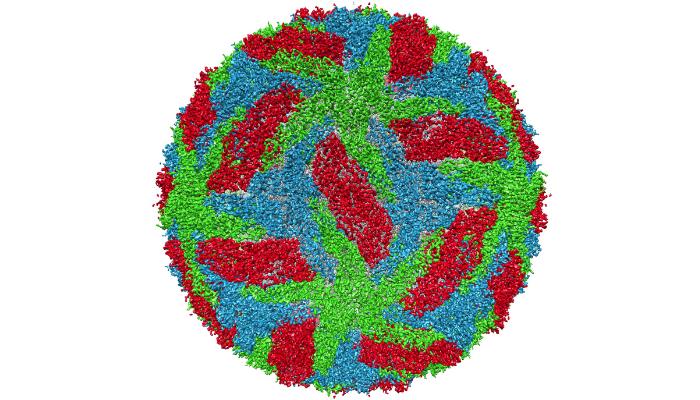
Dengue fever What is it? Dengue fever is a viral infection that is transmitted through the bite of infected mosquitos, and is prevalent in tropical and subtropical regions worldwide1. Most areas of Australia do not have the types of mosquitos that carry the dengue...
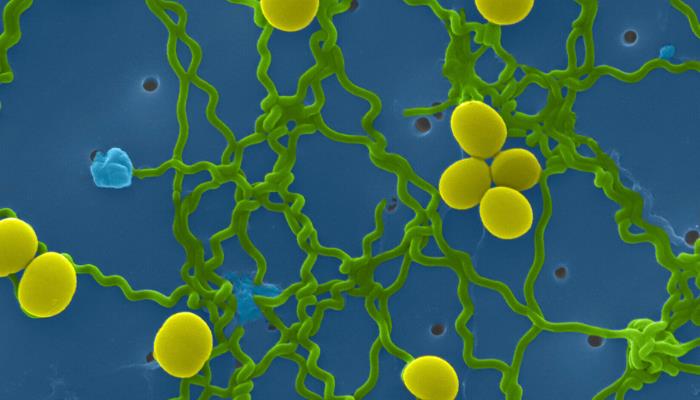
by ACIPC Office | May 30, 2025 | Bug Library
Leptospira What is it? Leptospirosis is a disease caused by infection with the bacteria Leptospira, that can be found in contaminated water or soil and affects both animals and humans1,2. Leptospirosis can occur worldwide, but is most common in tropical and...

by ACIPC Office | Mar 25, 2025 | Bug Library
Burkholderia Pseudomallei What is it? Melioidosis is a disease of humans and animals that is caused by the bacterium Burkholderia pseudomallei, a small gram negative aerobic bacillus. While Burkholderia pseudomallei is found around the world in warm and humid...
 Course Access
