 Course Access


Protecting Our Communities This Winter
Seasonal influenza remains a significant public health concern across Australasia, with peak activity typically occurring between June and September. In 2025, Australia experienced its largest influenza season on record, with more than 410,000 laboratory-confirmed cases and 1,701 associated deaths. In Aotearoa New Zealand, case numbers were moderate in 2025, however the season was prolonged, extending into December, and higher influenza hospitalisation rates were observed among young children, older adults, and Māori and Pacific people.
While influenza is often perceived as a mild illness, it can lead to serious complications, hospitalisation and death—particularly for those most at risk, including young children, older adults, pregnant people, Aboriginal and Torres Strait Islander peoples, Māori and Pacific peoples, and individuals with chronic medical conditions.
Annual influenza vaccination remains the most effective way to prevent infection and reduce the severity of illness and its complications. Vaccination is recommended for everyone aged six months and older, with most people requiring one dose each year. Protection takes around two weeks to develop, making early vaccination ahead of the winter season essential. In 2026, the introduction of the intranasal influenza vaccine (FluMist®) for children aged 2–17 years—available via private market and selected state programs—offers an additional option to support vaccine uptake in younger populations. Importantly, influenza vaccines are safe, and you cannot get influenza from the vaccine.
Vaccination of healthcare workers plays a critical role in protecting vulnerable people, reducing transmission in healthcare settings, and maintaining workforce capacity during peak periods. Alongside vaccination, infection prevention measures such as hand hygiene, respiratory etiquette, and staying home when unwell remain essential. Early planning and strong uptake of influenza vaccination will be key to reducing the impact of influenza in 2026 and protecting the health of our communities.
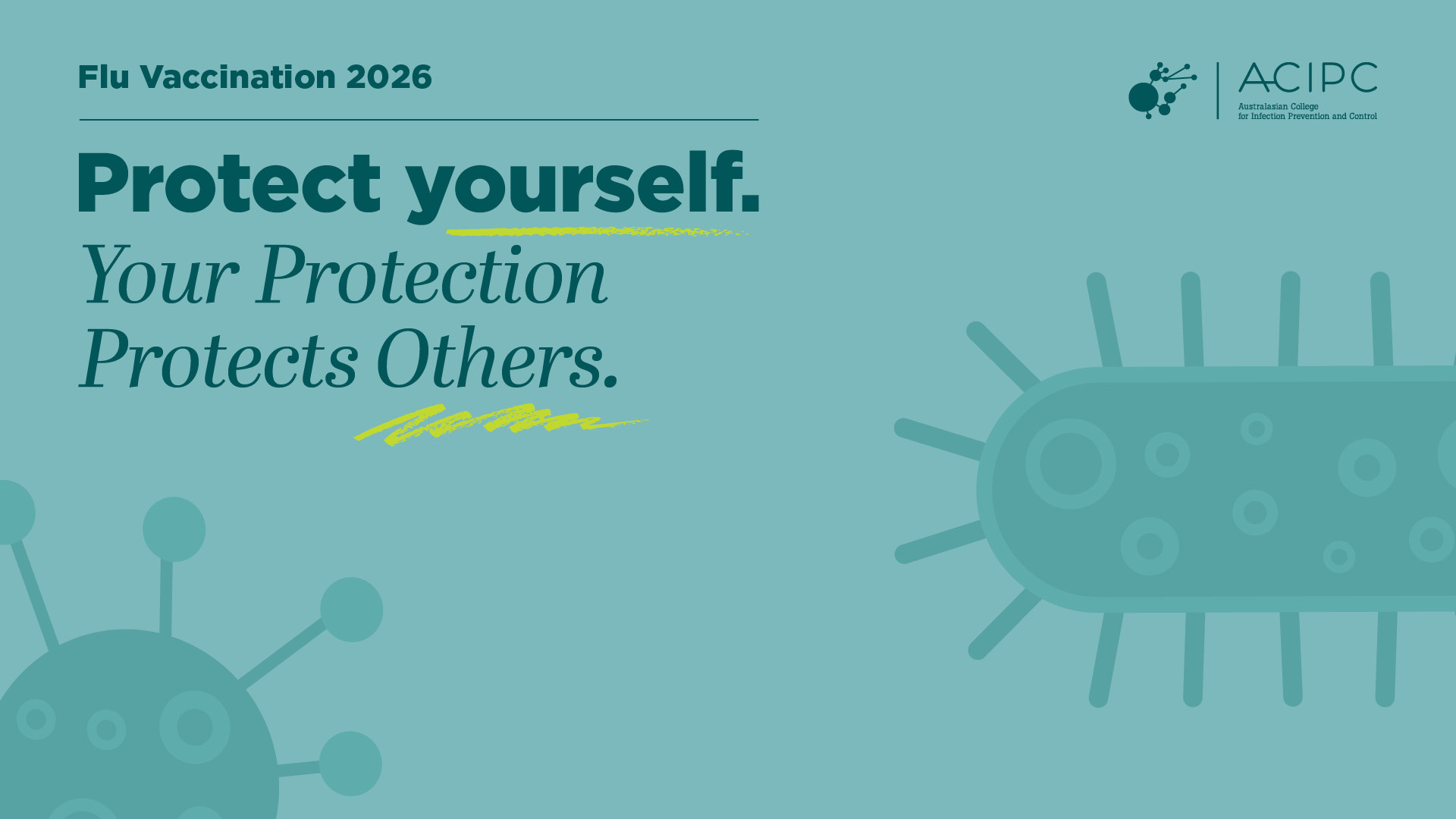
We’ve developed a poster for you to download and display, and some further resources and reading to support this year’s flu vaccine effort:

Links to further reading:
Don’t risk the flu and RSV vaccine stakeholder toolkit – VIC Health:
https://www.health.vic.gov.au/our-campaigns/dont-risk-the-flu-get-vaccinated
Influenza (flu) vaccine – Australian Government Dept. of Health, disability and Ageing:
https://www.health.gov.au/topics/immunisation/vaccines/influenza-flu-vaccine#:~:text=consumer%20medicine%20information-,When%20to%20get%20the%20influenza%20vaccine,free%20National%20Immunisation%20Program%20vaccines.
Influenza (flu) – Australian Government Dept. of Health, disability and Ageing:
https://immunisationhandbook.health.gov.au/contents/vaccine-preventable-diseases/influenza-flu#:~:text=View%20recommendation%20details,and%20Vaccines%2C%20dosage%20and%20administration.
Influenza immunisation – National Centre for Immunisation Research and Surveillance:
https://ncirs.org.au/ncirs-fact-sheets-faqs-and-other-resources/influenza
Influenza vaccines FAQs – National Centre for Immunisation Research and Surveillance:
https://ncirs.org.au/influenza/influenza-vaccines-frequently-asked-questions-faqs